What are investment funds?
How pooling works, the main fund types, active versus passive, what you pay, how risk is measured in the EU and how to choose a fund that fits.
Read the guide
General Assets Defensive Strategies invests in privately held European companies that equip armed forces and security services: aerospace, naval and land systems, sensors, cyber security and space.
After three decades of falling budgets, European governments have committed to rebuilding their armed forces and the industry behind them. That is a spending programme measured in decades. The large contractors cannot deliver it without the privately owned suppliers behind them, and those suppliers need capital to expand.
The fund is designed to provide that capital. It will take equity stakes in privately held European companies that make the components, sensors, electronics and software that armed forces and security services depend on, and work with their management to grow capacity.
We select companies on order books, margins and balance sheets. A political commitment to spend is a starting point for analysis and no more than that.
The European Commission presents its defence white paper and the ReArm Europe plan, intended to mobilise up to EUR 800 billion of additional defence spending.
The Council of the EU adopts Security Action for Europe, providing up to EUR 150 billion in loans for joint procurement, with a preference for European suppliers.
Allies agree to raise defence and security-related spending to 5% of GDP by 2035, of which at least 3.5% for core defence requirements.
Dates refer to public announcements by the European Commission, the Council of the EU and NATO. Announced budgets can be delayed, reduced or redirected, and public spending does not guarantee returns for investors.
Privately held companies based in Europe that earn a substantial share of their revenue from defence and security customers, across six capability areas.
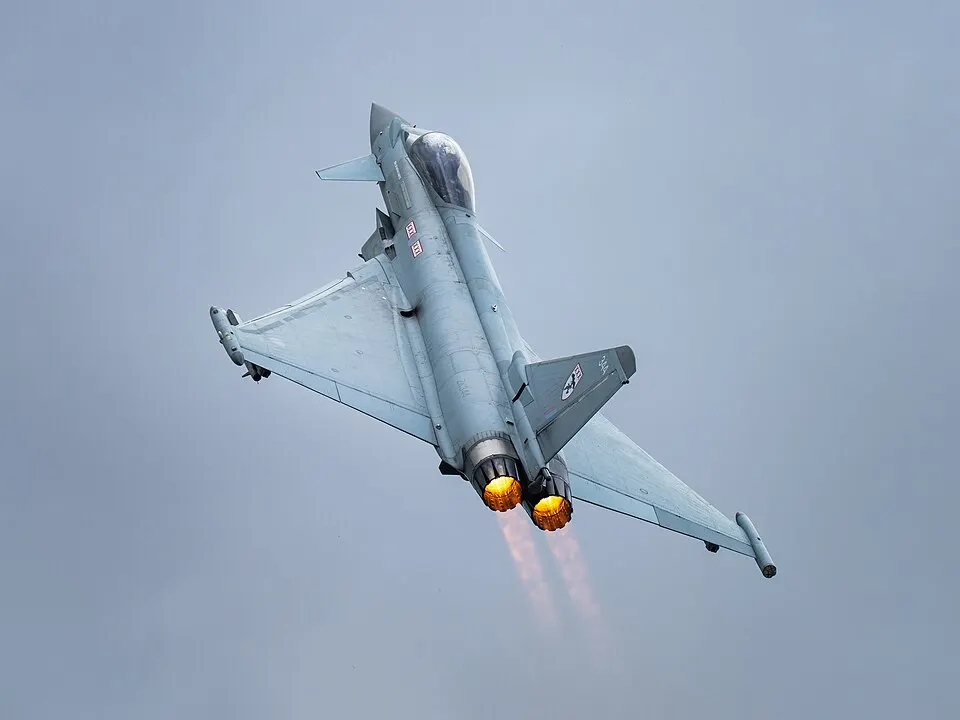
Components and systems for aircraft and engines, air and missile defence, satellites and secure communications.
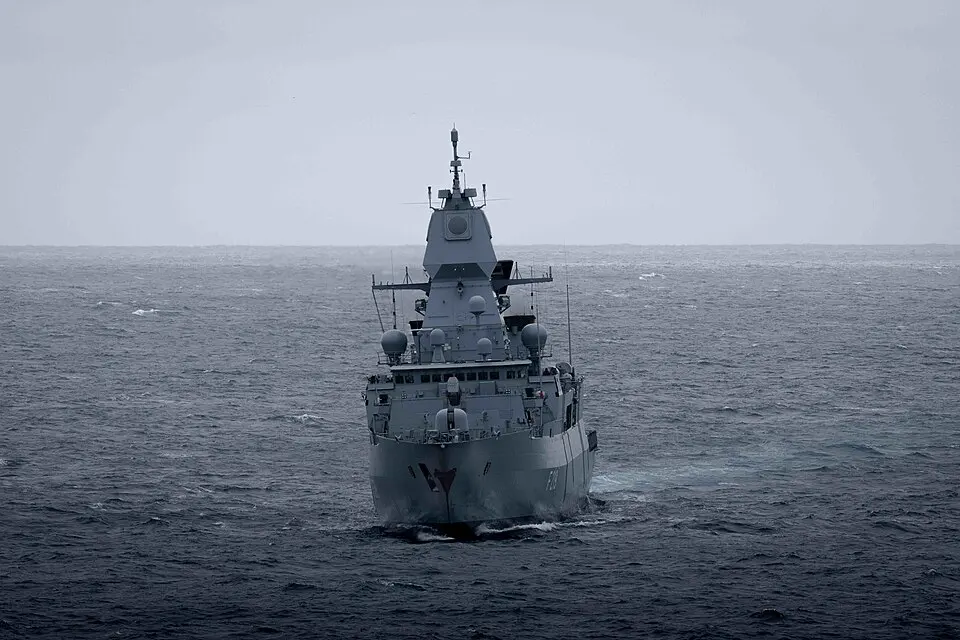
Naval combat systems, sonar, underwater systems and the protection of ports and subsea infrastructure.

Airlift, protected vehicles, logistics, maintenance and the supply chains that keep equipment in service.
General Assets is preparing a single fund, Defensive Strategies, and nothing else. The fund is planned as a Luxembourg reserved alternative investment fund for well-informed investors, with a term to the end of 2040.

This will be a private equity fund concentrated in one industry. Capital is committed for years, cannot be withdrawn on demand and can lose value.
Investing in defence carries responsibility. These limits will be written into the fund's investment policy and applied without exception.
We publish educational guides so that clients can make decisions on their own terms. No forecasts, no product pushing.
How pooling works, the main fund types, active versus passive, what you pay, how risk is measured in the EU and how to choose a fund that fits.
Read the guideThe three-page KID accompanies every fund sold to retail investors in the EU. We walk through each section and what to look for.
The total expense ratio is the most quoted cost figure in fund investing, and the most misunderstood. A short guide to the full cost picture.
The fund is in preparation and not yet open for investment. We are glad to answer questions about the strategy and the planned terms.
EJ200 engine and Eurofighter Typhoon in flight: Julian Herzog, CC BY 4.0. NH90 helicopter: David Álvarez López, CC BY 2.0. Frigate FGS Sachsen: U.S. Navy, Mass Communication Specialist 1st Class Jacob S. Richardson, public domain. Aircraft at night: U.S. Air Force, Staff Sgt. Kevin Dunkleberger, public domain. All images via Wikimedia Commons, resized, cropped and darkened. Their use does not imply endorsement by any armed force, government or manufacturer, and the equipment shown does not indicate holdings of the fund.
We use no tracking, analytics or advertising cookies, and we store only your choice on this notice in your browser. With your consent, we also load our typefaces from Google Fonts, which sends your IP address to Google. Nothing optional loads until you choose, and you can change your mind at any time under “Cookie settings” at the foot of each page.